Call for an appointment 020 7248 2975
THE HOUSE PARTNERSHIPTRUSTED AND CONFIDENTIAL
THERAPY, CBT & COUNSELLING ~ LONDON W1 & EC1
We are a professional partnership of psychologists, CBT therapists & counsellors in central London providing one-to-one psychotherapy to help people find a way forward through issues of depression, anxiety and stress, along with many other emotional difficulties.
The House Partnership works to bring about positive change in people’s lives, so they can move beyond blocks and crises towards well-being and fulfilment.
THE HOUSE PARTNERSHIP
KEY POINTS
EXCELLENT LOCATIONS
Based in two gorgeous Victorian buildings in London W1 and EC1, with great transport links
FULLY REGISTERED
All House therapists are registered with the Health & Care Professions Council
FORWARD LOOKING
A positive, forward-looking approach to CBT, therapy and counselling
POSITIVE CHANGE
Sharing a deeply held belief that positive change is possible for all our clients
LONDON W1 & EC1
HOUSE CBT THERAPISTS & COUNSELLORS
Dr Lauren Harrison


Lauren is a Chartered Clinical Psychologist with over 6 years’ experience working in mental health settings with adults, young people, and children. She completed her Doctoral Degree at Royal Holloway, University of London. During her Doctoral training, she worked in the NHS across different clinical specialities including working with survivors of abuse, people experiencing sexual dysfunction and trauma, anxiety and mood related difficulties.
Available for: Virtual sessions
Dr Mattie Idema-Sharman


Mattie is a chartered clinical psychologist who has worked in a range of clinical fields and organisations since 1990. She has worked in the NHS, Therapeutic Residential care and Children’s services, the Family Courts and Independent Psychology Services and Charitable Psychotherapeutic services. She continues to provide psychological therapy to young people and adults as well as providing supervision and training to other professionals.
Available for: Virtual sessions
Dr Joe Grace


Joe has been working in the caring professions for over 30 years – the last nine as an NHS Clinical Psychologist and Psychotherapist. He retired in 2024 as an Acting Consultant in a large Adult Mental Health team. He is trained in multiple therapeutic approaches but favours psychodynamic work that is chiefly focused on relationships, both with self and others. He is comfortable working with most issues but has a special interest in identity, emotions, and personality.
Available for: Virtual sessions
Dr Mariana Reis


Mariana is a Chartered Psychologist with over ten years' experience in mental health. She has practised primarily in the NHS working with adults, children and young people who are in acute crisis, in inpatient settings and in the community. She has particular expertise working with adults or young people with presentations of trauma, relational difficulties, and personality disorders.
Available for: Virtual sessions
Dr. Poonam Garg


Poonam is a Chartered Psychologist with over 9 years’ experience working in mental health. She completed her Doctorate at University of Birmingham and has gone on to become a highly specialist Psychologist within the NHS.
Currently on sabbatical leave and not offering appointments
Dr Mariam Tarik


Mariam is a Counselling Psychologist, having trained at City University of London. She works in the corporate sector (Tech and Legal) and has worked in the NHS for over 10 years, specialising in complex trauma, personality disorder and relationship difficulties.
Available for: Face to face sessions at Snow Hill and Virtual sessions
Dr Filipa Alves-Costa

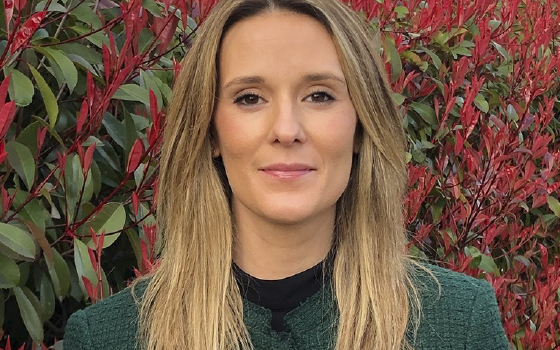
Filipa is a dedicated and compassionate Chartered Psychologist and Fellow of the British Psychological Society with over 10 years’ experience across the NHS, private settings, and academia. She provides trauma-focused and relational therapy for adult mental health, including trauma, anxiety & attachment difficulties, depression, anger, psychosis, drug misuse, relationship issues, as well as supports individuals in high-pressure and competitive industries.
As well as the mentioned therapies, Filipa also practices Trauma and schema-informed approaches and can help with unprocessed trauma, loss, and grief.
Available for: Virtual Sessions.
Tracy Richardson


Tracy is both an experienced and dedicated Practice Manager and Medical PA who has worked within a wide range of challenging roles inside of the NHS and private sector. Her expertise and empathetic nature, as well as meticulous organisation skills, means that you will be in very good hands when it comes to arranging your therapy.
MOREDr John Hanna


John has practiced as a clinical psychologist since qualifying in 1998, primarily in the NHS working with adults, children and young people, both as community clients and as inpatients in acute crisis. For many years he worked as an inpatient consultant/service lead and during that time he served in elected positions as Chair of the Psychosis and Complex Mental Health Faculty and as Policy Director (England) for the Division of Clinical Psychology, British Psychological Society.
Available for: Face to face sessions at Snow Hill and Virtual sessions
Dr Aimee McCarthy


Aimee, a Chartered Counselling Psychologist, completed her doctorate at Roehamption University. She works in the corporate environment (Banking, Finance, Legal, Insurance and Tech) specialising in depression, anxiety, work related issues including stress and burnout, as well as relationship difficulties.
Available for: Virtual sessions and face to face sessions at Wimpole Street, W1
Dr Leah Bull


Currently on sabbatical leave.
Leah is a Chartered Clinical Psychologist. She has worked within the NHS for a number of years including in a world leading hospital and has a particular specialism in working with young people, people with Autism and ADHD, and people with rare conditions. Leah also has completed and published several research projects.
Dr Amy Obradovic


Amy is a Chartered Clinical Psychologist with over a decade's experience in mental health across NHS and third sector settings. She completed her doctoral training at The Salomons Institute for Applied Psychology and has since specialised in working with complex mental health presentations, including, but not limited to, (c)PTSD, chronic anxiety and depression, attachment trauma and personality disorder.
Dr Sara Bixby


Sara is a Chartered Clinical Psychologist who completed her doctoral training at Salomons Centre, part of Canterbury Christ Church University in 2003. Since qualifying, she has worked for the NHS with adults presenting with complex difficulties and for 6 years was part of a psychosis service. She is currently part of a small team providing psychological support to staff in physical healthcare settings.
Available for: Virtual Sessions.
Dr Aisling Buckley-Hovell


Currently on sabbatical leave.
Aisling is a Chartered Clinical Psychologist who specialises in treating anxiety, depression and trauma. She completed her Doctoral Degree at Royal Holloway, University of London. She has worked in the NHS for a number of years across different clinical specialties including sexual dysfunction, survivors of abuse and personality disorder.
Sara Boulter


Sara is a consultant clinical psychologist who completed her clinical training in 1995 at the University of Western Cape in South Africa before building a successful private practice in Cape Town. Since coming to London, Sara has gained extensive experience working in the NHS and she has particular expertise in drug misuse and secure services.
Available for: Virtual Sessions.
Dr Stephen Higgins


Steve completed his doctoral training at the University of East London. He is a chartered psychologist with wide NHS experience working across mental and physical health services. He has particular expertise in providing support for people who present with anxiety disorders, depression, relationship difficulties, chronic fatigue and trauma.
Currently on sabbatical leave and not offering appointments. MORE
Gill Deane


Gill qualified as a psychologist in South Africa and underwent further training in Gestalt Psychotherapy at Metanoia Institute. Since chartership in 2001, she has held senior positions in the public, private and charity sectors. Gill works across all presentations of depressive and anxiety conditions, and has particular expertise in eating disorders and sports’ psychology.
Available for: Virtual Sessions.
Dr Erin Miller


Erin completed her professional doctorate at City University London, later to be invited back to lecture on City University’s postgraduate certificate course in counselling. Now concentrating on private practice, Erin has considerable experience in the public sector, as an NHS psychologist and within a number of national charities.
Available for: Virtual Sessions.
Dr David Gracey


Alongside his private work, David has worked in the NHS for over 10 years, with various groups including families and older adults. As a researcher he has published in numerous academic journals. He is a chartered psychologist who completed his doctorate at the Institute of Psychiatry.
Available for: Virtual Sessions.
Hayley Melin


Alongside her private work, Hayley manages The House Partnership. She also has considerable experience as a psychologist in two NHS trusts. Together with her work in general adult mental health, she has a particular specialism in eating disorders.
MOREDr Lou Monaco


Lou is a chartered psychologist and Associate Fellow of the British Psychological Society who trained and worked in the US before moving to London in 2009. He was appointed Adjunct Professor at City University, New York, and has continued teaching in the UK as a visiting lecturer at London Metropolitan University.
Currently on sabbatical leave and not offering appointments
Silvia Miranda CPsychol


Silvia completed her training at the Institute of Psychiatry and City University. She is a Chartered Counselling Psychologist and a Cognitive Behavioural Therapist who alongside her private practice work, has extensive experience of working in private and public settings including NHS primary care, IAPT, Eating Disorders and specialist Trauma Services. Her particular expertise and specialism is in treating Trauma, eating disorders, depression, anxiety, stress, work and relationships issues.
Available for: Virtual Sessions.
Dr Simon Whalley


Simon completed his doctoral research at Regent's College in London where he currently lectures. He has worked in adult mental health within the NHS and a number of community organisations. He has particular expertise with social anxiety, and panic.
Available for: Virtual Sessions.
UNDERSTANDING
Mentalisation-Based Therapy (MBT)
Counselling Psychology can be thought of as the perfect blend of art and science, enabling exploration of concepts such as love, meaning, and existential purpose, informed by the empirical techniques of the science of psychology.
MORE
UNDERSTANDING
Experiential Dynamic Therapy
Experiential Dynamic Therapy can be thought of as the perfect blend of art and science, enabling exploration of concepts such as love, meaning, and existential purpose, informed by the empirical techniques of the science of psychology.
MORE
UNDERSTANDING
Systemic Therapy
Systemic Therapy can be thought of as the perfect blend of art and science, enabling exploration of concepts such as love, meaning, and existential purpose, informed by the empirical techniques of the science of psychology.
MORE
UNDERSTANDING
Dialectic behavioural Therapy
Dialectic Behavioural Therapy can be thought of as the perfect blend of art and science, enabling exploration of concepts such as love, meaning, and existential purpose, informed by the empirical techniques of the science of psychology.
MOREUNDERSTANDING
CBT, Cognitive Behavioural Therapy
CBT is an active, collaborative, solution-focused form of therapy combining techniques that help us to confront and correct biases and problems in the ways we think and feel, leading us to independently pursue a more fulfilling and successful life.
MOREUNDERSTANDING
Counselling & Counselling Psychology
Counselling Psychology can be thought of as the perfect blend of art and science, enabling exploration of concepts such as love, meaning, and existential purpose, informed by the empirical techniques of the science of psychology.
MORE
UNDERSTANDING
ACT & Mindfulness
Mindfulness is not a process of cognition, but rather one of awareness: it encourages us to experience each moment as it happens, rather than becoming tangled in an internal flurry of thoughts and anxieties. Mindfulness is fast becoming an essential part of Western psychological therapies.
MORE
UNDERSTANDING
Integrated Psychotherapy
An integrated approach to psychological therapy avoids dogma, recognising that there is no one overriding truth or ‘best’ psychotherapy. Rather, what exists are many truths, which have have greater or lesser relevance to each client, depending on their particular problems and what they are seeking to achieve in the therapeutic process.
MOREMAKE AN APPOINTMENT
- 020 7248 2975
- hello@thehousepartnership.co.uk
- BOOK ONLINE